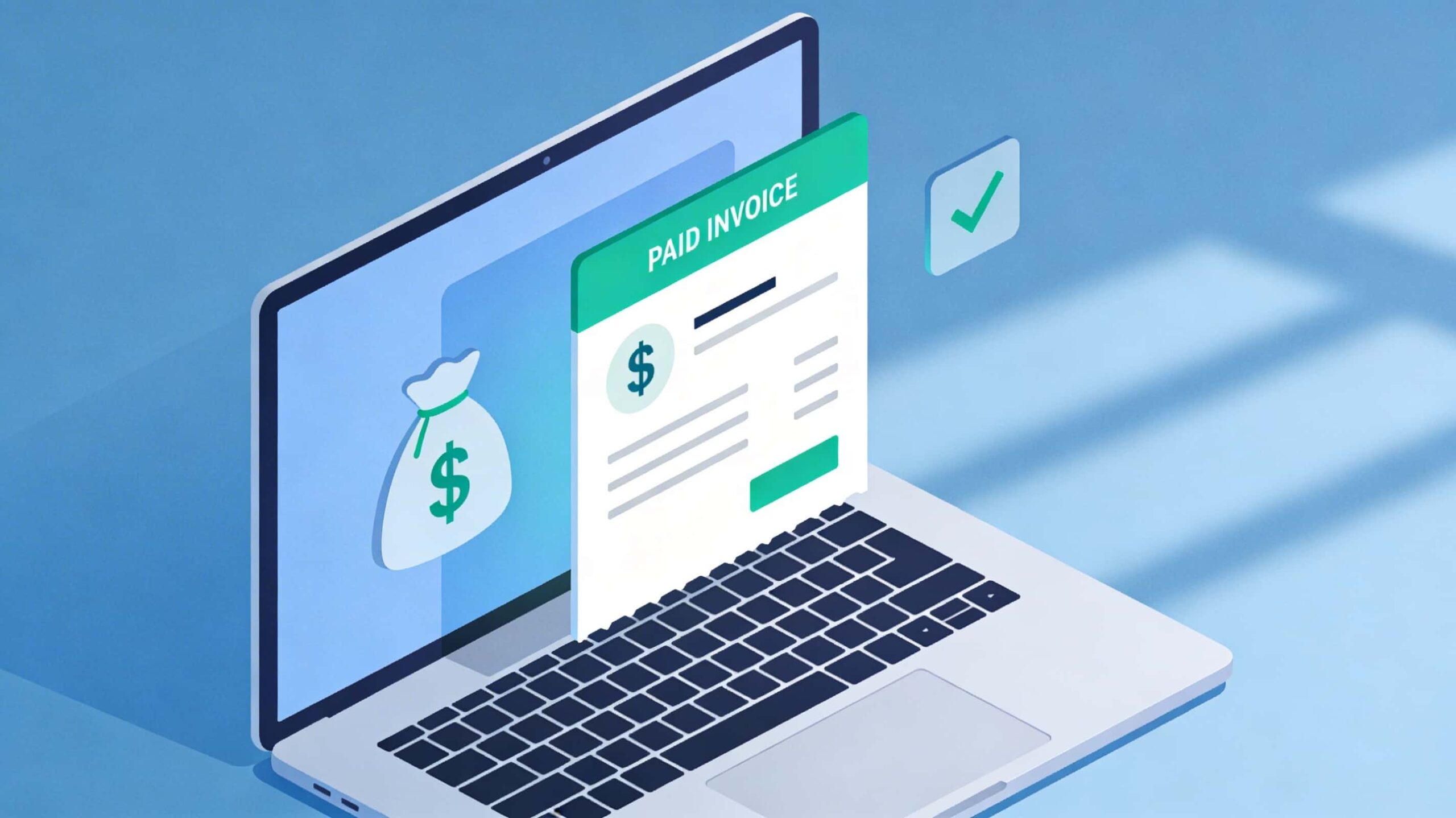
Some clients pay your invoice within minutes.
Others disappear the second you mention a number.
Same service. Same you. Completely different experience.
Fast‑paying clients think differently about money, value, and time than slow or non‑paying clients. If you understand that psychology, you can stop chasing the wrong people and start attracting more of the ones who happily pay what you’re worth.
This guide is written for business owners (not just web agencies) who are tired of feeling like getting paid is harder than doing the actual work.
What Fast‑Paying Clients Understand That Others Don’t
Fast‑paying clients usually share a few beliefs:
- They see work as an investment, not an expense.
They’re thinking in terms of ROI: “If this website/email funnel/new system makes me one extra sale a week, it pays for itself.” Slow‑paying clients are stuck at, “Wow, $500 is a lot.” - They value time over pennies.
They know that dragging out decisions, negotiating over every line item, or shopping five quotes costs them far more in lost time and momentum than they could ever save in price. - They respect expertise.
They don’t assume they know more than you about your craft after a few YouTube videos. They want to hire you because you’ve already made the mistakes and learned the hard lessons. - They understand opportunity cost.
If they don’t move now, they lose opportunities: leads, sales, credibility, events, partnerships. The invoice is just the ticket to unlock those.
When you’re dealing with someone who doesn’t pay or constantly drags their feet, you’re bumping into a different mindset: one that’s more afraid of spending money than of staying stuck. These types of clients quickly become a liability and they’ll surely stunt your business growth.
Why Some Clients Resist Paying (Even Small Amounts)
If we borrow from classic psychology and sales books, a few forces show up again and again:
Loss aversion
People fear losing money more than they enjoy gaining the same amount.
A $500 invoice can feel like “losing $500” instead of “buying a system that could return $5,000 over the next year.”
Unless you reframe the conversation, their brain reacts like you’re taking something away, not giving them something valuable.
Status and ego
Some clients want to feel like they’re the smartest person in the room.
Hiring an expert and paying them fairly can threaten that ego:
- “If I admit I need help, maybe I’m not as good as I say I am.”
- “If this works, people will credit the consultant, not me.”
So they minimize your work, question your price, or act like “anyone” could do what you do, all while still trying to benefit from it.
Scarcity mindset
Clients who are always in survival mode treat every expense as dangerous.
Even if your price is reasonable, their internal script is: “Every dollar out is risky. What if this doesn’t work exactly how I imagine?”
That mindset makes them chase “cheap,” even if “cheap” keeps them stuck.
How to Attract More Fast‑Paying Clients (And Fewer Headaches)
You can’t change every client, but you can change who you attract and how you filter them.
1. Be clear and confident with your pricing
Vague or apologetic pricing makes good clients nervous and invites bad clients to negotiate.
Instead of:
“It depends… I could maybe do it for around $200–300?”
Use:
“That will be $300. It includes [X, Y, Z] and revisions. Once the invoice is paid, I can have it done by [date].”
This shows:
- You know your numbers.
- You have a process.
- You respect your own time.
Confident, clear pricing is attractive to serious clients and repellent to time-wasters.
2. Show the ROI, not just the deliverable
People pay faster when they understand what they get beyond just the service you offer.
Examples:
- Website change → “This optimization should increase conversions from traffic you’re already getting.”
- Email setup → “You’re losing leads right now because emails aren’t sending; fixing this recovers opportunities you’re already paying for.”
- Strategy session → “The goal is to eliminate the guesswork and stop you wasting time on tactics that don’t move the needle.”
Position yourself to sell outcomes: more sales, saved time, fewer headaches, better reputation.
3. Use framing: price compared to their upside
Borrowing from classic sales framing, you can compare your price to common spends or realistic upside:
- “This project will cost less than one or two of your average client sales, and it works for you 24/7.”
- “You’re paying more monthly for software you barely use than you’ll pay once to get this set up correctly.”
When the price is anchored against their potential payoff instead of being seen in a vacuum, it feels smaller and more reasonable.
4. Set expectations about process and payment upfront
Fast‑paying clients love clear structure. Slow‑paying clients exploit the lack of it.
Have a simple, non-negotiable process like:
- Discovery / scope
- Quote
- 50–100% upfront payment
- Work begins
- Final review and launch
Spell it out in your proposal or first email:
“To get started, I’ll send an invoice for [amount]. Once that’s taken care of, I’ll begin work and you’ll have a first draft by [date].”
This does two things:
- Makes serious clients feel safe (“This person is organized”).
- Filters out people who wanted free ideas or cheap labor.
Red Flags You’re Dealing With the Wrong Kind of Client
Part of attracting good clients is being willing to say “no” faster to bad ones.
Watch for:
- “We don’t really have a budget, what’s your cheapest option?”
- Asking for detailed advice, strategy, or scope before agreeing to pay.
- Lots of talk about “exposure,” “future projects,” or promises of clients instead of real money.
- Weird energy when you mention anything above a tiny number, even when they talk big about their goals.
The more you ignore these red flags, the more you invite situations where you do a ton of work and get very little (or nothing) back.
Simple Filters You Can Put in Place Today
Here are a few practical moves any business can use:
- Minimum project or engagement size
Decide the smallest project you’re willing to take (for example, $500 or $1,000). Anything below that is either declined or moved into a “maintenance/quick fix” product with fixed rules. - Discovery call with pre-qualifying questions
Ask:- What’s your budget range?
- What’s your timeline?
- What’s the main outcome you want from this?
If they refuse to answer or get defensive, that’s a sign.
- Deposit requirement
No work without a deposit. No exceptions. Even if it’s someone you “know.” - Expiration on quotes
Add: “This quote is valid for 14 days.”
It encourages decisions and protects you from people coming back months later expecting the same terms.
These small structures are how you train your business to attract and keep better clients.
How to Become a Magnet for Fast‑Paying Clients
Fast‑paying clients are drawn to businesses that look:
- Clear
- Consistent
- Confident
- And focused on outcomes, not just tasks
That means:
- Your website and profiles talk about the problems you solve and results you create, not just a long list of services.
- Your content (blogs, posts, emails) is practical and shows how you think, so people trust you before they reach out.
- Your process is visible and simple: “Here’s how we work together.”
Over time, this shifts who shows up in your inbox.
You’ll still get the occasional price‑shopper or “exposure” offer—but you’ll start seeing more of the people who say:
“I’ve been reading your stuff; I trust you. What’s your rate and how soon can we start?”
Final Thought: You Don’t Need Everyone, Just the Right Ones
It’s easy to let the slow‑paying, ghosting, nickel‑and‑diming clients convince you that “no one wants to pay.”
But that’s not true! You only need a small group of the right people to have a solid, sustainable business. The “right people” are absolutely out there.
Good clients:
- Respect your time
- Pay on time
- Follow your process
- And actually implement what you create for them
If you structure your offers, boundaries, and messaging for those people, everyone else becomes background noise instead of a referendum on your worth.
If you’re tired of chasing invoices or wondering what to charge, it might be time to tighten your filters and attract better clients by design.
Contact Devbo for a free business consult to authenticate your processes.