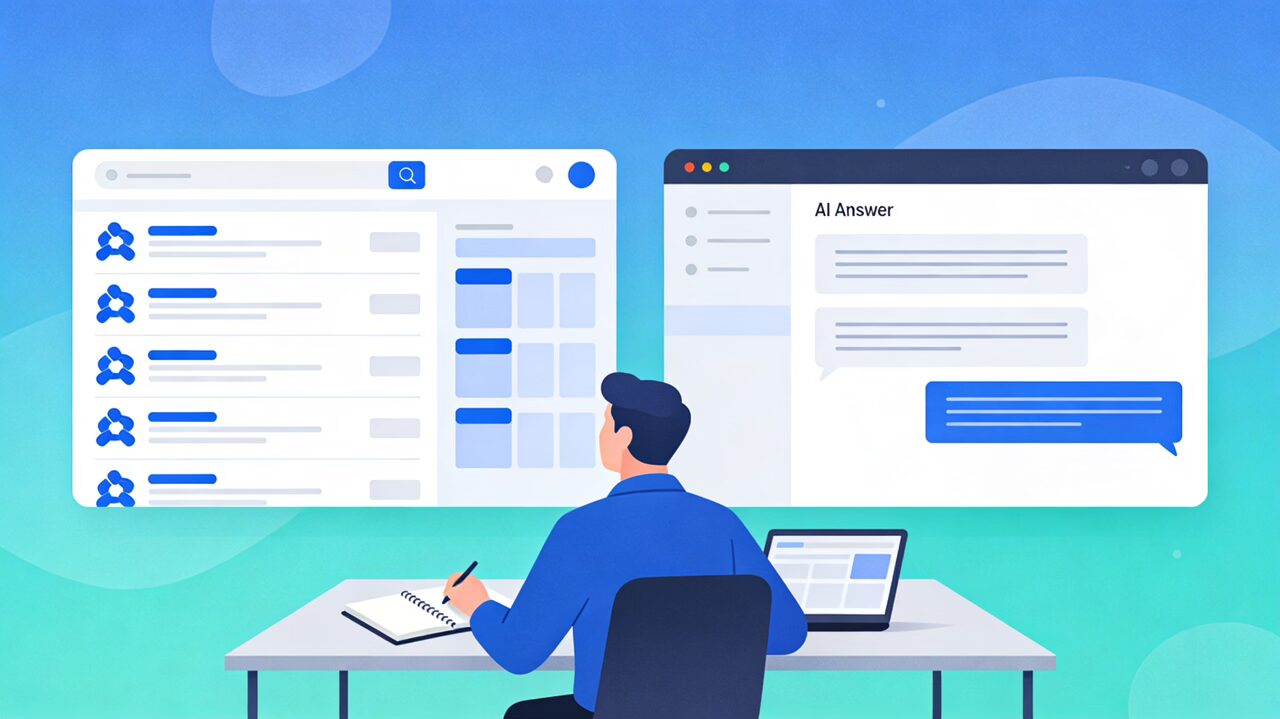
If you run a small or local business, your website only has two real jobs:
- Get discovered and
- Convert visitors into customers.
In 2026, that no longer means “just do some SEO.” You need a strategy that covers traditional Search Engine Optimization (SEO) and Answer Engine Optimization (AEO)—showing up in blue links, featured snippets, Google’s AI Overviews, ChatGPT answers, and other AI‑powered experiences.
This guide walks through the entire stack—from basics like keywords and meta tags to advanced concepts like pillar pages, content clusters, authority signals, and AEO‑ready formatting. It is written for business owners and non‑technical marketers. When things get genuinely technical, that will be called out clearly so you know when it makes sense to bring in help instead of guessing.
What SEO Actually Is in 2026 (and Why It Still Matters)
SEO is the practice of making your website findable, understandable, and trustworthy to search engines so that you show up when people search for what you offer. In 2026, that still means:
- Making sure search engines can crawl and index your pages
- Aligning your content with what people actually search (keywords + intent)
- Structuring pages so they are clear, fast, and easy to use
- Earning enough authority signals (links, mentions, engagement) to beat competitors
SEO is still the foundation. Without a crawlable, well‑structured, authoritative site, answer engines and AI models don’t have anything reliable to pull from.
What is AEO?
Answer Engine Optimization (AEO) is the practice of becoming the source AI and search engines quote when users ask questions in:
- Google’s AI Overviews and featured snippets
- Voice assistants (Siri, Alexa, Google Assistant)
- Chatbots and conversational tools like ChatGPT, Perplexity, and others
How is AEO Different from “Regular” SEO?
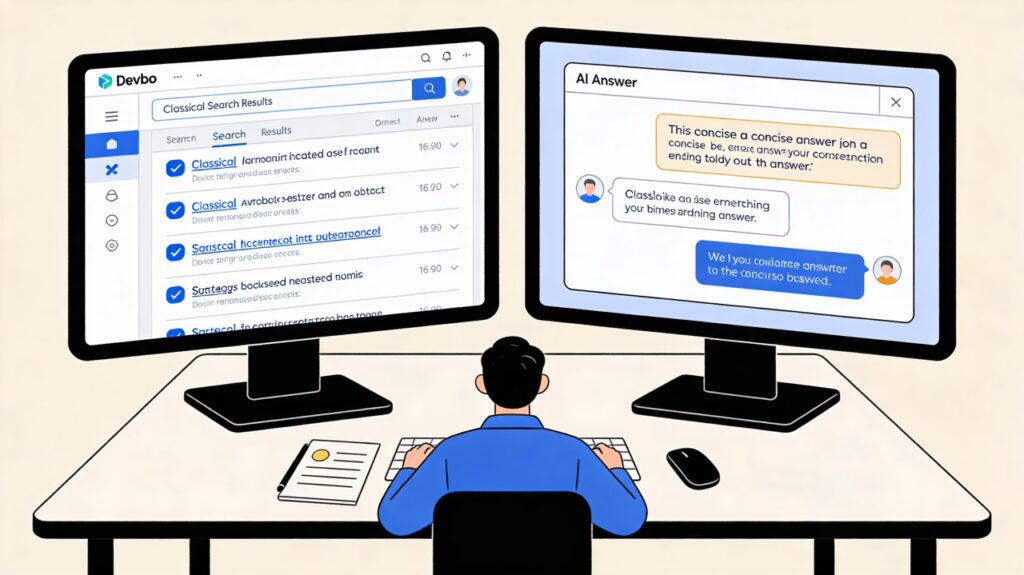
Where SEO is about earning clicks, AEO is about earning citations and direct answers:
- SEO: Rank your page in the top 10 organic results.
- AEO: Get your content cited or summarized as the answer, even if users never click through.
In practice, AEO means:
- Writing in question + concise answer formats
- Using headings that mirror real queries
- Adding FAQ sections and structured data (FAQPage, HowTo schema)
- Being exceptionally clear, accurate, and up‑to‑date
You don’t need separate sites for SEO and AEO. You need one well‑structured site that serves both: discoverable pages, answer‑ready content.
For a deeper dive into how authority and AI are reshaping search, read our info article on the new frontier of SEO and AEO.
Core Concepts – Keywords, Questions, and Entities
Keywords: From “Exact Match” to “Intent”
Classic SEO started with exact‑match keywords (“plumber clearwater fl”). Today:
- Search engines understand intent and topics.
- AI engines work heavily from entities (people, places, brands, concepts) and relationships between them.
For your business, that means:
- Don’t obsess over a single exact phrase.
- You want to write blog posts with a strategy
- Focus on clusters of language around a problem, service, or outcome.
Practical process (1–2 hours):
- List your top 5–10 services / offers.
- For each, brainstorm:
- “What would someone type if they need my service?”
- “What questions would they ask before hiring us?”
- Use tools (even just Google’s autocomplete, People Also Ask, and Search Console) to expand that list into:
- Headline‑level phrases (service + location + outcome)
- Question‑form searches for AEO (how, why, when, who, where)
Entities: Teaching AI Who You Are
An entity is a “thing” search engines can understand: a business, a person, a service, a city. For Devbo clients, the key entities usually are:
- Your brand (your business name)
- Your services (web design, SEO, Google Business Profile optimization, AI automation, etc.)
- Your locations (Clearwater, Tampa Bay, etc.)
To help AI understand and trust you:
- Use consistent Name, Address, Phone (NAP) data everywhere.
- Create a clear About page and Services page that describe who you are and what you do in plain language.
- Link out to credible profiles (Facebook business profile, LinkedIn, industry directories) where appropriate.
On-Page SEO Basics – Titles, Meta Descriptions, and Headings
This is the part most people “kind of” do—and get half‑credit from Google. If you want the ultimate framework for blog posting, checkout our guide on how to post a blog that actually ranks.
Page Titles (Title Tags)
The title tag is usually the blue link users see in search results. It should:
- Include your main keyword or question naturally
- Include your brand when space allows
- Make a clear promise or outcome
Good small‑business pattern:
Service/Topic + Outcome or Angle + Location (optional) | Brand
Example:
SEO & AEO Guide for Small Businesses in 2026 | Devbo
Avoid stuffing. “Plumber Clearwater | Best Plumber Clearwater | Clearwater Plumber” reads spammy and can hurt click‑through.
Meta Descriptions
Meta descriptions don’t directly rank you, but they influence click‑through rate, which is a strong performance signal. Use them like micro‑ad copy:
- 120–155 characters
- Summarize the value of the page
- Include a natural keyword or question
- Add a small call‑to‑action (“Learn how…”, “See examples…”, “Get the full checklist…”)
For AEO, including the question in the description can help align the snippet with user queries.
Headings (H1–H3) and Answer Blocks
Structure each important page like this:
- H1 – One per page. The main topic.
- H2s – Major sections (problems, steps, use cases).
- H3s – Sub‑points under each H2.
For AEO, add explicit question headings:
- “What is [service]?”
- “How does [service] work?”
- “How long does [outcome] take?”
Under each question heading, place a 40–60 word direct answer in plain language, then expand with details. This is the snippet‑ready content AI and Google love to quote.
Site Structure, Pillar Pages, and Cluster Posts
Think of your website like a book, not a stack of random flyers.
- Pillar page: a deep, comprehensive guide on a core topic (think of this as a chapter).
- Cluster posts: more focused articles that dive deeper into subtopics, all interlinked with the pillar. (this is what’s inside the chapter)
Creating a topical map is the best way to stay organized and tell search engines that your site is an expert in it’s field. We have an amazing guide on how to create a topical map using AI.
Your SEO/AEO content architecture might look like:
- Pillar: Complete SEO & AEO Guide for Small Businesses (like this post)
- Clusters:
- Blog SEO: “Creating Blog Posts That Rank in Google’s Top 10”
- Local SEO: “Google Business Profile Optimization Guide”
- Future Trends: “The New Frontier of SEO in 2026: Beyond Keywords, Into Authority and AI Dominance”
- Content Ops: “How to Post a Blog in WordPress: A Step-by-Step Guide”
- AI Stack: “AI Tools for Small Business: 10 Game-Changing Solutions for 2025”
You can probably see what we’re doing here, this post and those cluster posts listed above are a perfect real world example of how you should structure your blog for SEO.
Every cluster post should:
- Link up to the pillar (with consistent, descriptive anchor like “complete SEO & AEO guide”).
- Link sideways to 1–3 related cluster posts.
- Be linked from the pillar within the relevant section.
This is all easier said than done, it’s best to organize your blog before ever posting and we have the perfect guide for how to structure your website content.
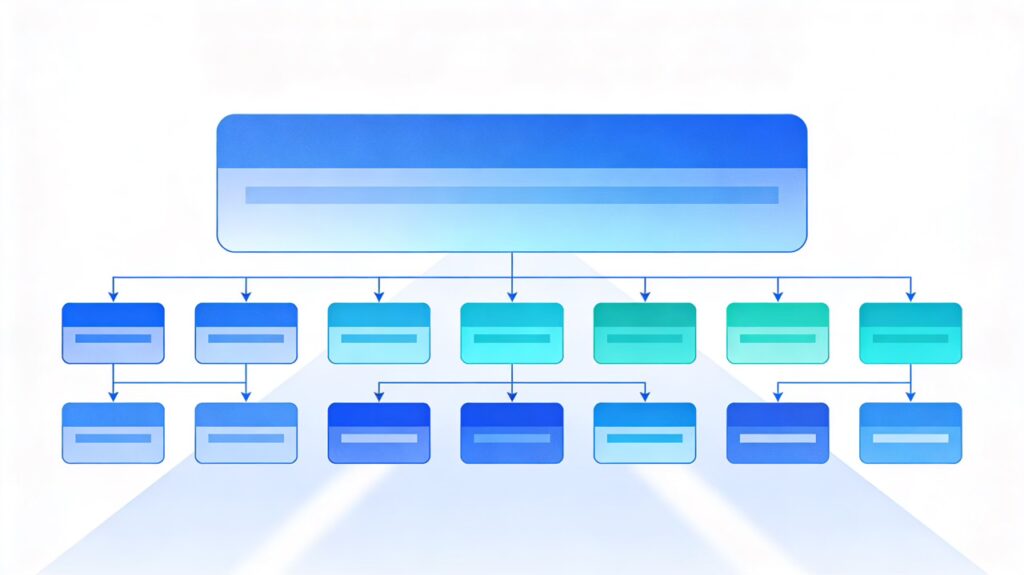
This internal linking makes your site easier to crawl, clarifies topical relevance, and helps both SEO and AEO understand your authority on the subject.
Technical Foundations (Where Things Get a Bit Nerdy)
This is the part many business owners ignore because it’s technical—and that’s exactly why they stall.
At a minimum, your site needs:
- HTTPS with a valid SSL certificate
- Mobile‑friendly design with responsive layouts
- Fast load times, especially on mobile (Core Web Vitals)
- Clean, descriptive URLs (no random strings of numbers)
- A functional XML sitemap and no critical pages blocked by
robots.txt
If any of this sounds foreign, that’s normal. This is where it’s usually more cost‑effective to let a pro audit and fix your foundation rather than burning weeks guessing in your hosting panel.
Call this out clearly in the article:
“This part can get technical. If you’re not comfortable with hosting dashboards, DNS, or performance tools, this is exactly where it makes sense to bring in a professional SEO/web team rather than experimenting on your live site.”
Authority, Citations, and Backlinks
Google and AI engines need signals that you’re credible. Those signals include:
- Backlinks from relevant, trustworthy sites
- Citations and brand mentions across the web
- Strong reviews and local signals (for local businesses)
Authoritative guides agree that backlinks, brand mentions, and structured citations remain fundamental signals in both SEO and AEO contexts.
For a small business, practical authority building looks like:
- Getting listed on quality directories and industry associations
- Guest posting on relevant, high‑quality blogs or local media
- Earning links from partners, vendors, and local organizations
- Building a strong Google Business Profile with reviews and consistent NAP

This is not about spammy link schemes or buying links. That’s still a fast way to get into trouble. Focus on earning visibility where your ideal customers already are.
Most businesses hire SEO agencies to pay for backlinks, this can be extremely expensive and up to $500 per link. We recommend organically reaching out for free backlinks to blogs in your industry.
Local SEO and Google Business Profile (GBP)
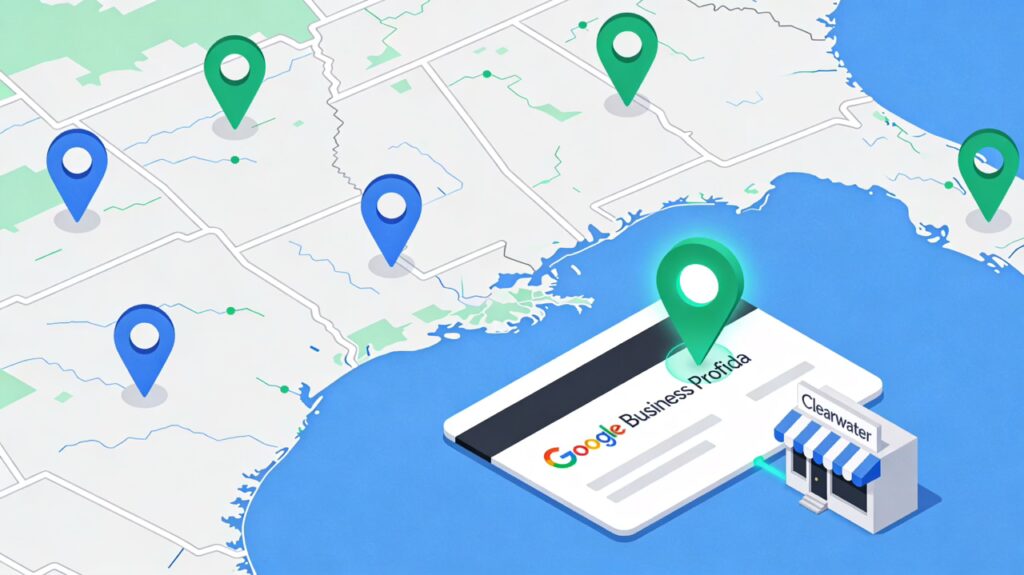
If you serve clients in a physical area, your Google Business Profile is often more important than your homepage. For many searches, users will see your GBP before they ever see your site. Checkout our complete Google Business Profile optimization guide.
Key levers you can control:
- Complete, accurate profile (categories, description, hours, services)
- High‑quality photos and regular posts
- Consistent NAP data across web properties
- A steady stream of real, recent reviews and responses
- Embedded map and GBP integration on your site for trust and context
Bringing SEO and AEO Together on Each Page
On important pages (services, pillar content, key blogs), the goal is to:
- Rank (SEO)
- Get quoted (AEO)
A practical pattern for each major page:
- H1: Clear topic including primary phrase.
- Intro paragraph: Explain who this is for and what outcome they’ll get.
- Short direct answer block to the core question (40–60 words).
- Body sections:
- Problem / pain
- Step‑by‑step solution
- Examples or use cases
- FAQs
- Technical enhancements:
Over time, this gives you dozens of question‑oriented “nodes” across your site that answer engines can pull from while still supporting traditional rankings.
SEO & AEO Troubleshooting – “If X, Do Y”
This is where most guides fall short. Here’s a simplified decision flow you can build into the article.
Scenario A: “I get almost no organic traffic at all.”
Check 1: Indexing and technical basics
- Search
site:yourdomain.comin Google.- If almost nothing shows up → there is a crawl/indexing problem.
- Possible fixes: sitemap, robots.txt, noindex tags, hosting/firewall issues.
Check 2: Content volume and quality
- Do you have at least 10–20 decent pages targeting real queries?
- If not, you don’t have enough surface area yet.
- Start with 1–2 pillars + 5–10 cluster posts using the patterns in this guide.
Check 3: Competition level
- If you’re targeting “lawyer miami” with a brand‑new site, expect a long, uphill battle.
- Pivot to more specific, long‑tail and local phrases (services + niches + neighborhoods).
If this entire section feels like guesswork to you, this is where a structured SEO audit from a specialist is worth it. The audit will quickly show whether you’re blocked by technical issues, content gaps, or authority.
Scenario B: “I get impressions but almost no clicks.”
Symptoms:
- Search Console shows impressions rising but click‑through rate (CTR) is low.
Likely problems:
- Weak or generic title tags and meta descriptions.
- Misalignment between query intent and your page.
- Page showing for the wrong type of search.
Fixes:
- Rewrite titles and descriptions to be more specific and benefit‑driven.
- Add or adjust sections to better match the top results’ intent (informational vs transactional).
Scenario C: “Blog posts never rank in the top 10.”
Symptoms:
- Posts exist; a few impressions; no real rankings.
Likely problems:
- No competitive SERP analysis before writing.
- Thin or unfocused content vs top‑ranking pages.
- Weak internal links.
Fixes:
- For each post, Google the target query and ask:
- “What are the top 3–5 pages doing that I’m not?” (length, structure, subtopics, visuals, FAQs, authority).
- Upgrade the post to meet or exceed that standard.
- Add internal links from relevant service pages and other posts.
We have the perfect AI Prompt to create blogs that rank in the top 10.
Scenario D: “Traffic is decent, but leads or sales are weak.”
Now you have a conversion problem, not just an SEO problem:
- Weak or unclear offers
- No obvious next step (call, form, consultation)
- Pages that educate but never invite action
Fixes:
- Add clear CTAs above the fold and at logical breakpoints.
- Use social proof (testimonials, case studies) near CTAs.
- For local/service businesses, link prominently to:
Content Roadmap – What to Do Next (90-Day Plan)
For a small business, here’s a realistic 90‑day plan built around this pillar.
Month 1 – Foundation & Pillar
- Fix critical technical issues (HTTPS, mobile, speed, basic indexing).
- Publish this SEO & AEO pillar page.
- Ensure clear navigation: Home → Services → SEO, AI, Local, Blog.
- Add or update your Google Business Profile and ensure NAP consistency.
Month 2 – First Cluster Build-Out
- Publish or optimize 3–5 cluster posts:
- Add internal links between pillar ↔ clusters.
Month 3 – Authority and AEO Upgrades
- Start a light, ongoing link and citation program (local directories, partnerships, guest posts).
- Add FAQ sections and schema to key pages.
- Begin tracking:
At the end of 90 days, you won’t “own” every search, but you’ll have a real system in place instead of random content.
SEO & AEO FAQs for Small Businesses
What’s the difference between SEO and AEO?
SEO focuses on ranking your pages in traditional search results and driving organic traffic to your site, while AEO focuses on getting your content cited as direct answers inside AI overviews, featured snippets, and chat-style answer engines.
Do I need both SEO and AEO, or can I just do one?
You need SEO as the foundation so search and AI systems can discover, crawl, and trust your site, and you layer AEO on top by structuring content into clear questions and concise answers that are easy for those systems to quote.
How long does it take to see results from SEO and AEO?
Most small businesses start seeing meaningful movement in 3–6 months if they fix technical issues, publish consistent pillar and cluster content, and build some authority; AEO‑style snippets and citations often appear gradually as that foundation strengthens.
What types of pages should I optimize first for AEO?
Start with your core pillar pages, your main service pages, and your highest‑value blog posts, then add question‑based headings, 40–60 word direct answer paragraphs, and, where it fits, FAQ sections that can be marked up with FAQ schema.
Do I need special tools to do AEO?
You can get very far with the tools you already use for SEO—Google Search Console, a basic keyword tool, and your CMS—by focusing on question formatting and clear answers, then layer in schema plugins or more advanced tools later if you need deeper tracking.
How do I know if my AEO efforts are working?
Look for growth in impressions and visibility for question‑style queries, more featured snippets or AI‑style summaries that match your content, and, most importantly, steady increases in qualified leads even when some searches become zero‑click.
When DIY Stops Making Sense (and Where Devbo Fits)
There is a point where guessing becomes more expensive than getting help. Common signs:
- You’ve “done everything” from basic guides but still aren’t growing.
- Technical issues keep reappearing (site speed, indexing, weird errors).
- You don’t have time to produce consistent, answer‑ready content.
- Competitors with clearly weaker services are outranking you.
At that stage, the right move is not “another plugin” or “another AI tool”; it’s a strategy + implementation partner who:
- Audits your site’s technical, content, and authority profile
- Builds a realistic roadmap based on your budget and market
- Implements on-page, local, and AEO‑aligned content with you
If you’re ready to turn this playbook into an actual system instead of another to‑do list, explore Devbo’s professional SEO services for hands-on optimization, then see how Devbo handles web, SEO, and AI integration together as a unified growth engine, and, when you’re ready to bring AI into your workflows without breaking anything, schedule an AI consultation and automation integration so your marketing stack actually works for you.